
The Photovoltaic Industry: Powering a Sustainable Future

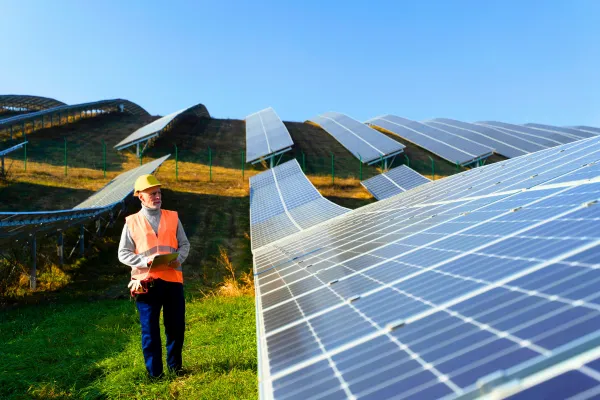
In an era marked by the urgent need for sustainable energy solutions, the photovoltaic (PV) industry stands as a cornerstone of the global transition towards renewable energy. By harnessing the sun’s abundant power, photovoltaics convert sunlight directly into electricity, offering a clean, reliable, and increasingly cost-effective alternative to traditional fossil fuels. As PV technology continues to evolve, it plays an instrumental role in meeting the world’s growing energy demands and environmental goals. From groundbreaking materials to enhanced production efficiency, the photovoltaic industry is advancing at an unprecedented pace, making PV technology more accessible and resilient than ever.
Historical Development of the Photovoltaic Industry
The journey of photovoltaics began in the early 19th century with the discovery of the photovoltaic effect by French physicist Edmond Becquerel, who found that certain materials could generate an electric current when exposed to sunlight. However, practical applications didn’t emerge until much later. In 1954, Bell Laboratories developed the first practical silicon solar cell, which could convert sunlight into electricity at about 6% efficiency. This breakthrough paved the way for solar cells to be used in space exploration during the 1960s, powering satellites and marking a milestone in PV technology.
The energy crises of the 1970s further spurred interest in alternative energy sources, leading to increased research and development in solar technology. Over the next few decades, advancements in materials science, manufacturing processes, and economies of scale steadily drove down the costs of PV systems and improved their efficiency. Governments worldwide began investing in PV research, while industry pioneers introduced new technologies that helped scale up production. This technological evolution not only made solar energy more affordable but also transformed photovoltaics into a viable option for various applications, from powering homes and businesses to fueling entire cities.
Current State of the Photovoltaic Industry
Today, the photovoltaic industry is experiencing unprecedented growth, driven by increased demand for sustainable energy, technological advances, and supportive government policies. According to the International Energy Agency (IEA), solar PV capacity has expanded rapidly, with significant contributions from leading countries like China, the United States, and Germany. As of 2023, the global solar PV market size was valued at approximately USD 316.78 billion and is projected to reach USD 2,517.99 billion by 2032, reflecting a compound annual growth rate (CAGR) of 25.88% over the forecast period.
This expansion is evident across various applications:
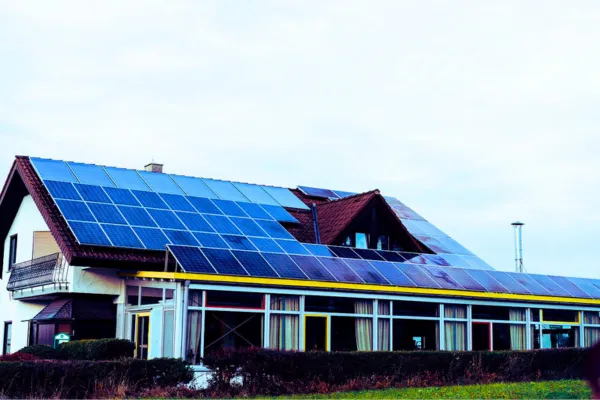
- Residential Installations: Homeowners are increasingly adopting rooftop solar panels to reduce energy bills, lower carbon footprints, and contribute to local grid stability. Residential PV systems often include battery storage, allowing homeowners to store excess energy for use during nighttime or cloudy days, adding resilience to their energy systems.
- Commercial Installations: Businesses across various sectors are leveraging solar energy to power operations, enhance their sustainability profiles, and achieve energy independence. From manufacturing facilities to data centers, commercial PV systems help businesses cut operating costs while fulfilling corporate social responsibility goals. Additionally, industry players are increasingly exploring solar partnerships, with PV installations becoming integral to many companies’ renewable energy strategies.
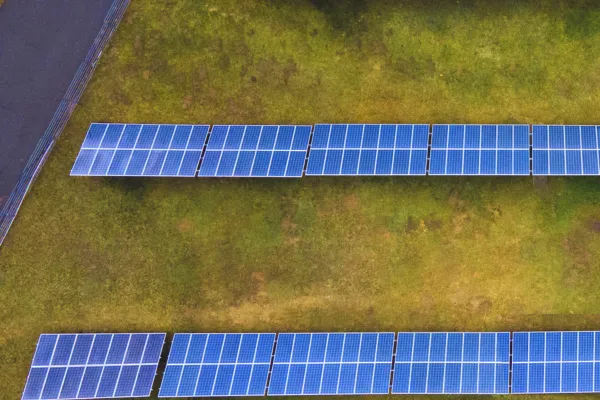
- Utility-Scale Projects: Large-scale solar farms are contributing substantial amounts of electricity to national grids, supporting the transition to renewable energy sources. These utility-scale projects, often located in areas with high solar exposure, have significant potential for growth, particularly as storage technologies advance. The deployment of large PV farms not only contributes to energy independence but also strengthens the overall reliability and stability of energy grids by diversifying energy sources.
Technological Innovations in Photovoltaics
The photovoltaic industry is characterized by continuous innovation aimed at enhancing efficiency, reducing costs, and expanding the potential applications of solar energy. Notable technological advancements in the industry include:
- Perovskite Solar Cells: These emerging materials are revolutionizing the PV industry with their high efficiency and low production costs. Perovskite solar cells have demonstrated efficiencies exceeding 27%, rivaling traditional silicon-based cells, while being lighter, flexible, and easier to manufacture. Research into the stability and scalability of perovskite cells continues to progress, bringing the industry closer to next-generation solar solutions that could transform PV economics and expand their applications.
- Bifacial Panels: Capable of capturing sunlight on both sides, bifacial panels can increase energy yield, especially in reflective environments like snowy or desert areas. These panels have grown in popularity for both large-scale solar farms and commercial applications, as they offer improved energy output without requiring additional land or infrastructure.
- Thin-Film Photovoltaics: With their flexibility and lightweight properties, thin-film technologies enable integration into a variety of surfaces, including building facades, vehicles, and even clothing. Thin-film PV offers unique versatility, especially in urban environments where traditional solar panels may be challenging to install. Advances in thin-film materials are making it possible to incorporate solar power in everyday products, which could greatly expand access to renewable energy.
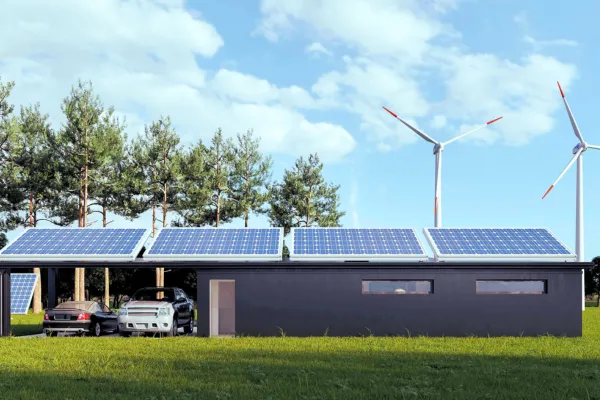
Integrating PV systems with energy storage solutions, such as lithium-ion and sodium-ion batteries, enhances reliability by addressing intermittency issues associated with solar power. By storing excess energy generated during peak sunlight hours, storage solutions allow PV systems to provide continuous power even when the sun isn’t shining, making solar energy more viable as a primary power source.
Economic and Environmental Benefits
The economic viability of photovoltaic systems has improved markedly in recent years. The global average cost of solar electricity has fallen by nearly 90% since 2010, making it more affordable than many fossil fuel alternatives. Cost reductions are largely due to advances in technology, increased competition, and economies of scale.
Environmentally, the benefits of solar energy are profound. PV systems reduce greenhouse gas emissions by displacing fossil fuel-based electricity generation, helping to mitigate climate change and decrease air pollution. Furthermore, the photovoltaic industry has become a significant source of job creation, with numerous employment opportunities in manufacturing, installation, maintenance, and research. As more countries commit to clean energy targets, the job market in the solar industry is expected to grow, bringing economic benefits to communities around the world.
Despite its remarkable progress, the photovoltaic industry faces several challenges that must be addressed to ensure continued growth and stability:
Challenges Facing the Photovoltaic Industry
- Supply Chain Issues: Dependence on specific materials, such as silver and polysilicon, can lead to supply constraints and price volatility. The recent global surge in demand for PV panels has put pressure on these materials, underscoring the need for sustainable sourcing and alternative materials.
- Grid Integration: As solar penetration increases, integrating PV-generated electricity into existing grids presents challenges, particularly in regions where infrastructure is outdated or unsuitable for intermittent energy sources. Advanced energy storage and grid modernization are crucial to accommodating the growing influx of solar power.
- Policy and Regulatory Hurdles: Inconsistent policies and regulatory frameworks can hinder the deployment of solar projects. While many governments provide incentives and subsidies for renewable energy, changes in political priorities or economic conditions can impact the availability of support, creating uncertainty for investors and developers. Stable, supportive government policies are essential to the industry’s sustained growth.
Future Prospects and Opportunities
The future of the photovoltaic industry looks promising, with projections indicating continued market growth driven by technological advancements, policy support, and increasing demand for clean energy. Emerging markets, particularly in developing countries, present significant opportunities for solar adoption, providing solutions for energy access and economic development. By deploying PV technology in underserved areas, communities can gain access to reliable electricity, fostering improved healthcare, education, and economic activity.
Government policies and international cooperation will play pivotal roles in fostering industry growth. Initiatives such as tax incentives, feed-in tariffs, and research funding can accelerate the deployment of solar technologies and support ongoing innovation. Programs that promote knowledge sharing and collaboration among nations can help lower the costs and speed the adoption of PV systems worldwide.
As climate concerns and energy needs grow, so does the role of photovoltaics in global energy strategies. From community-scale projects to advanced solar farms, the PV industry’s potential to deliver a cleaner, more resilient energy future is undeniable.
Conclusion
The photovoltaic industry is a cornerstone of the global shift toward sustainable energy. Through continuous innovation, economic viability, and environmental benefits, photovoltaics are poised to play an increasingly vital role in meeting the world’s energy needs. Continued investment, supportive policies, and innovative partnerships are essential to harnessing the full potential of solar energy, paving the way for a cleaner, more sustainable future for all.