
Industry Glue’s Impact on the Evolving Automobile Industry

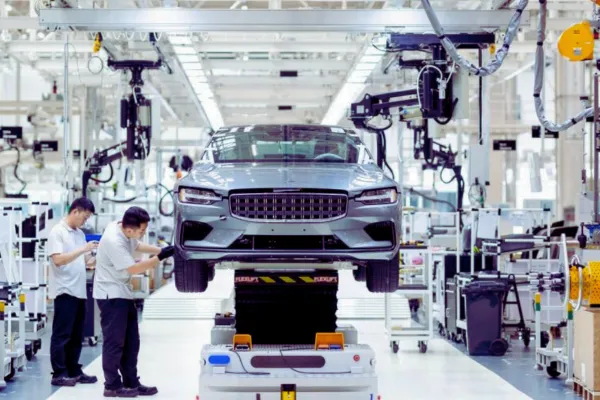
The automobile industry is one of the most dynamic sectors, constantly evolving to meet the demands of technology, consumer expectations, and regulatory requirements. Over the years, advancements in materials science have introduced numerous innovations to automotive manufacturing, among which adhesives—commonly referred to as “industry glue”—play a critical role. While often underappreciated, these adhesives have transformed vehicle production, enabling lighter, stronger, and safer cars. Today, they are indispensable in modern automotive engineering, impacting everything from structural integrity to fuel efficiency and sustainability.
The Evolution of Adhesives in the Automobile Industry
For decades, automobiles were manufactured primarily with mechanical fasteners—bolts, screws, rivets, and welding—to hold parts together. While effective, these methods came with limitations. The use of heavy fasteners added weight to vehicles, impacted fuel economy, and restricted design options, as traditional fasteners don’t easily accommodate complex shapes or materials. Adhesives entered the automotive scene as a game-changer, allowing manufacturers to bond a variety of materials in ways that traditional fasteners couldn’t.
Adhesives now make it possible to use lightweight materials, such as aluminum, composites, and certain plastics, in place of traditional steel. This shift has led to significant weight reductions, resulting in vehicles that are both more fuel-efficient and environmentally friendly. These weight savings are crucial, especially as the industry shifts towards electric vehicles (EVs), where every kilogram counts in maximizing battery efficiency.
Enhancing Vehicle Performance and Safety
The performance advantages provided by adhesives in the automobile industry are numerous. By enabling the use of lighter materials, adhesives allow for improved fuel efficiency and handling, leading to a better driving experience. They also contribute to enhanced crashworthiness—a crucial factor in automotive safety. Unlike traditional fasteners, which create stress concentration points that can lead to material failure, adhesives distribute loads evenly across a bonded surface. This capability strengthens the structural integrity of the vehicle, making it more resilient in the event of a collision.
When vehicles are subjected to impact forces, adhesive-bonded joints can absorb and dissipate energy more effectively than their mechanically fastened counterparts. This energy absorption helps protect occupants by minimizing the force transferred to the passenger compartment. In fact, modern crash tests have shown that vehicles assembled with adhesive bonding tend to perform better in collision scenarios, demonstrating the role adhesives play in enhancing overall vehicle safety.
Facilitating Advanced Design and Manufacturing Flexibility
One of the major benefits adhesives bring to the automobile industry is the flexibility to bond dissimilar materials. Manufacturers can now create innovative designs that combine materials like metal, plastic, and glass in ways that would be difficult or impossible with traditional fasteners. For instance, adhesives allow automakers to design panoramic glass roofs, complex body shapes, and even intricate interiors with minimal restrictions.
This design flexibility has also led to the integration of advanced features that modern consumers have come to expect, such as quieter cabins and improved aerodynamics. By providing a seamless bonding solution, adhesives eliminate the need for exposed fasteners, which can disrupt the clean lines of a vehicle’s exterior. This allows designers to create more aesthetically pleasing vehicles that also perform better aerodynamically.
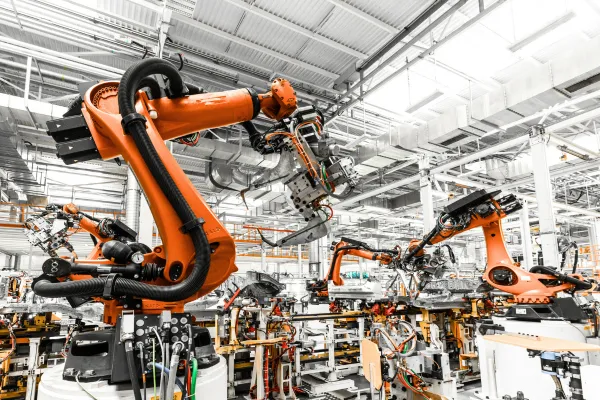
Moreover, adhesives support high-precision manufacturing processes, allowing for faster assembly lines. Without the need for drilling holes or welding, manufacturers can streamline production, ultimately leading to cost savings and faster time-to-market. This capability has proven invaluable as automakers face increased competition and pressure to innovate quickly in a rapidly evolving market.
Improving Durability and Corrosion Resistance
In addition to providing design and performance benefits, adhesives also enhance the durability of vehicles. When applied properly, adhesives can act as barriers against moisture, dust, and other environmental contaminants, which can corrode metal parts and compromise the vehicle’s integrity over time. This protective property is particularly beneficial in areas prone to harsh weather conditions or for vehicles frequently exposed to salt, moisture, and extreme temperatures.
Adhesives also dampen vibrations and absorb noise, resulting in a quieter, more comfortable ride for passengers. By reducing the number of traditional fasteners and joints, adhesives help minimize the rattling and squeaking sounds that sometimes occur in aging vehicles. This sound-dampening quality has become increasingly important as manufacturers focus on improving the overall driving experience, especially in luxury and electric vehicles, where quiet interiors are highly valued.
Supporting the Shift to Electric Vehicles (EVs)
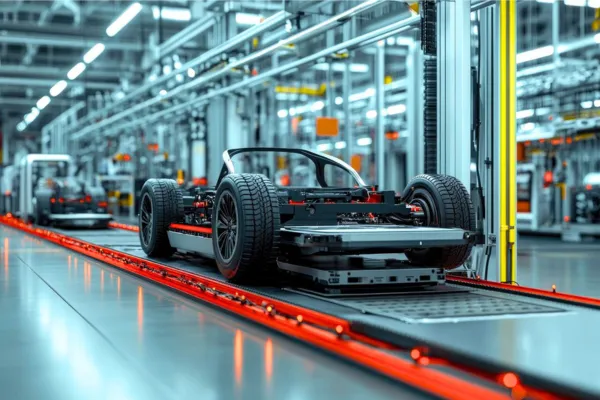
The global shift towards electric vehicles has introduced unique challenges and opportunities for the automobile industry. EVs require lightweight structures to maximize battery range, as well as advanced thermal management solutions to keep batteries operating at optimal temperatures. Adhesives have proven to be an ideal solution to these challenges, offering strong yet lightweight bonding for battery enclosures, electric motor assemblies, and other critical components.
Electric vehicle batteries generate heat during operation, and managing this heat is essential for maintaining battery efficiency and longevity. Certain adhesives are engineered with thermal management properties, allowing them to conduct heat away from sensitive components. This feature ensures that EV batteries remain within safe operating temperatures, which not only extends the battery’s lifespan but also reduces the risk of overheating and related hazards.
Furthermore, adhesives offer additional flexibility in battery pack design, allowing manufacturers to bond battery cells and modules into various configurations. This adaptability is crucial as battery technologies continue to evolve, with automakers constantly looking for ways to improve energy density, charging speed, and safety. Adhesives are a key enabler in this process, helping automakers meet the unique demands of EV production.
Environmental and Economic Benefits
The use of adhesives aligns well with the automobile industry’s growing emphasis on sustainability. By enabling lighter vehicle construction, adhesives contribute to reduced fuel consumption, which in turn lowers greenhouse gas emissions. This environmental benefit is significant, as the transportation sector is one of the largest sources of carbon emissions globally.
In addition to the environmental advantages, adhesives provide economic benefits. By reducing the reliance on mechanical fasteners and welding, adhesives streamline the manufacturing process, allowing for faster and more cost-effective assembly lines. Adhesive applications can also reduce the number of materials required, leading to additional cost savings. For example, adhesives can eliminate the need for additional coatings or treatments to prevent corrosion, as they often serve as both a bonding agent and a protective layer.
Adhesives have also contributed to a more sustainable end-of-life process for vehicles. As manufacturers increasingly adopt eco-friendly adhesives, recycling automotive parts has become easier. Dismantling adhesive-bonded components is often simpler than breaking apart traditional fastened joints, allowing for more efficient recycling and reuse of vehicle parts.
Challenges and Future Opportunities
While adhesives have brought numerous benefits to the automobile industry, challenges remain. Developing adhesives that meet the strict performance requirements of the automotive sector—such as heat resistance, durability, and flexibility—is a complex process. Adhesive manufacturers must continuously innovate to create formulations that can withstand extreme temperatures, chemicals, and other harsh conditions commonly encountered in automotive applications.
Additionally, as vehicles become more sophisticated, there is a growing demand for adhesives that can integrate with advanced technologies, such as sensors and autonomous driving systems. Adhesives that are compatible with electronic components and capable of providing electromagnetic shielding will be essential as the automobile industry moves towards smarter, more connected vehicles.
Despite these challenges, the future for adhesives in automotive manufacturing is promising. With continued research and development, adhesive manufacturers are expected to deliver solutions that will further enhance vehicle performance, safety, and sustainability. The demand for electric vehicles, in particular, is likely to drive innovation in adhesive technology, as EV manufacturers seek materials that can meet the unique requirements of battery systems and lightweight construction.
Conclusion
Adhesives have become an indispensable part of the evolving automobile industry, offering solutions that support everything from lightweight construction to advanced design flexibility and enhanced safety. As the industry continues to shift towards electric vehicles and sustainable manufacturing practices, the role of adhesives—commonly known as “industry glue”—will only grow in importance. These bonding technologies have enabled the production of safer, more fuel-efficient, and environmentally friendly vehicles, transforming automotive manufacturing in the process.
Looking ahead, adhesives will continue to play a crucial role in the automobile industry’s evolution, helping automakers meet the demands of a modern, fast-changing market. As adhesives become more specialized and adaptable, they will support the industry’s transition to a greener, smarter, and more efficient future. The benefits of adhesives go beyond mere bonding; they represent a strategic advantage that will shape the next generation of vehicles, paving the way for an automotive industry that is both innovative and sustainable.